
Introduction

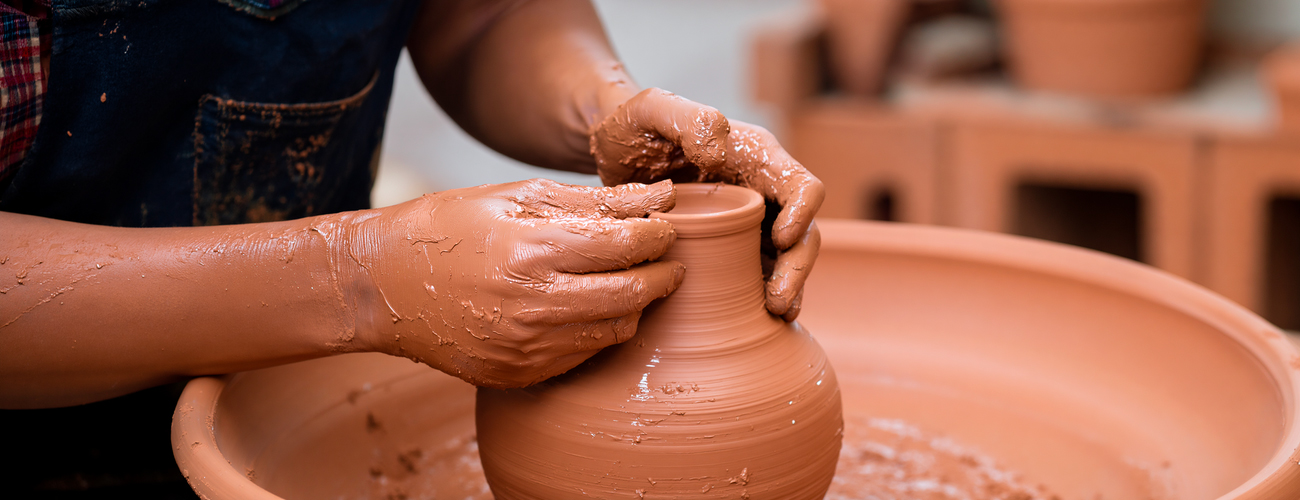
Terracotta Molding is one of the oldest and most enduring forms of craftsmanship, transforming natural clay into decorative and functional works of art. Known for its warm earthy tones and handcrafted character, terracotta has been used for centuries in architecture, sculpture, pottery, and home décor across many cultures.

The History of Terracotta Craft

The term “terracotta” comes from the Italian phrase meaning “baked earth.” Archaeological discoveries reveal that terracotta objects have been created for thousands of years, serving both practical and artistic purposes.

From ancient temples and sculptures to everyday pottery and decorative ornaments, terracotta has played a significant role in preserving cultural traditions and artistic expression throughout history.

The Terracotta Molding Process

1. Clay Preparation

Natural clay is collected, cleaned, and mixed with water to achieve the desired consistency for molding.

2. Design and Shaping

Artisans shape the clay by hand or use molds to create intricate forms, patterns, and structures.

3. Detailing

Decorative elements such as carvings, textures, and ornamental designs are added while the clay remains soft.

4. Drying

The molded pieces are left to dry naturally, allowing excess moisture to evaporate and preventing cracks during firing.

5. Firing

The dried items are baked in a kiln at high temperatures, transforming the clay into durable terracotta with its characteristic reddish-brown appearance.

6. Finishing

Finished pieces may be polished, painted, glazed, or left in their natural form depending on the intended aesthetic.

Distinctive Features of Terracotta Molding

  • Natural Material: Crafted from earth-derived clay.
  • Handmade Character: Each piece carries unique textures and details.
  • Versatility: Suitable for both decorative and functional applications.
  • Timeless Appeal: Complements traditional and contemporary spaces alike.
  • Eco-Friendly Craftsmanship: Often produced using sustainable materials and traditional methods.

Modern Applications

Today, terracotta molding is commonly used in:

  • Decorative Sculptures
  • Garden Planters
  • Architectural Elements
  • Wall Art and Murals
  • Tabletop Décor
  • Religious and Cultural Artifacts
  • Home Accessories

Its natural beauty and handcrafted appeal continue to attract designers, collectors, and homeowners around the world.

Cultural Significance

Many artisan communities have preserved terracotta traditions for generations, passing down techniques and artistic styles that reflect local culture, history, and craftsmanship. These creations often serve as symbols of heritage and community identity.

Caring for Terracotta Products

To maintain terracotta items:

  • Keep indoor pieces away from excessive moisture.
  • Clean gently using a soft cloth or brush.
  • Handle carefully to prevent chipping.
  • Apply protective coatings when appropriate for outdoor use.

Conclusion

Terracotta Molding is a remarkable craft that celebrates the transformation of natural clay into enduring works of art. Combining tradition, creativity, and skilled craftsmanship, terracotta continues to inspire appreciation for handmade artistry and cultural heritage.


Tags: Terracotta Molding, Clay Art, Handcrafted Décor, Traditional Crafts, Artisan Heritage, Pottery, Sustainable Art

Introduction

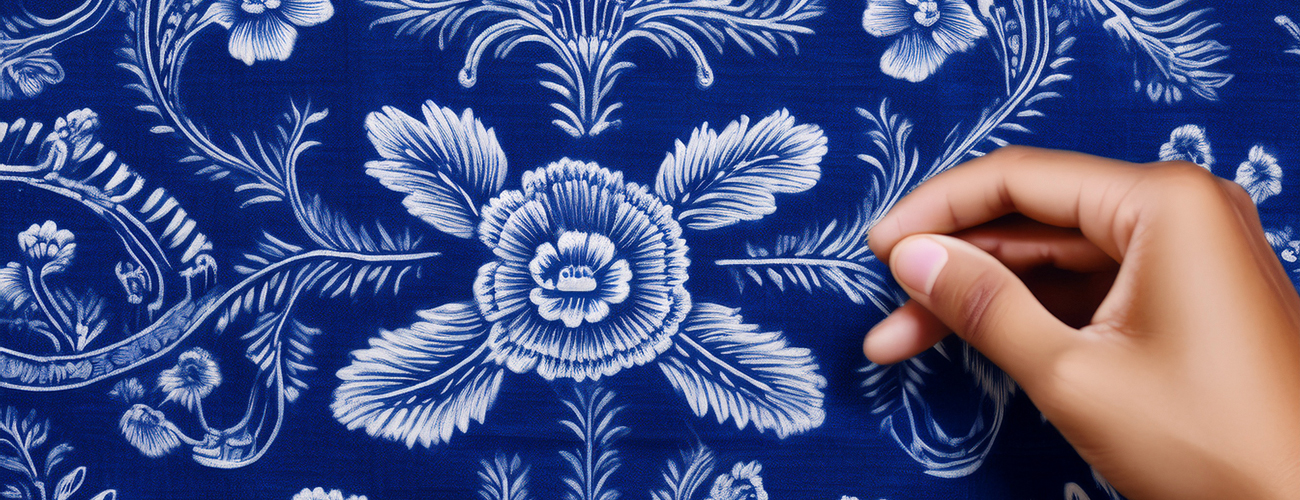
Zardosi Embroidery is one of the most luxurious and intricate forms of decorative needlework, known for its rich metallic embellishments and regal appearance. Originating in ancient Persia and flourishing under royal patronage in India, Zardosi continues to be admired for its elegance, craftsmanship, and timeless appeal.

The History of Zardosi

The word “Zardosi” comes from two Persian words: “Zar” meaning gold and “Dozi” meaning embroidery. Historically, artisans used real gold and silver threads to adorn royal garments, ceremonial textiles, and palace furnishings.

During the reign of the Mughal emperors, Zardosi embroidery reached new heights of sophistication and became a symbol of wealth, status, and artistic excellence.

The Crafting Process

1. Design Creation

The embroidery pattern is first sketched onto the fabric, often featuring floral motifs, paisleys, vines, and traditional ornamental designs.

2. Fabric Preparation

Luxurious fabrics such as silk, velvet, satin, and georgette are stretched tightly on a wooden frame known as an adda.

3. Thread and Embellishment Selection

Artisans carefully select metallic threads, sequins, beads, pearls, stones, and decorative wires that complement the design.

4. Hand Embroidery

Using specialized needles and hooks, skilled craftsmen meticulously stitch each element onto the fabric, creating rich textures and dimensional patterns.

5. Finishing and Quality Inspection

The completed embroidery is cleaned, inspected, and prepared for use in garments or decorative pieces.

Distinctive Features of Zardosi Embroidery

  • Rich Metallic Detailing: Traditionally crafted using gold and silver-colored threads.
  • Intricate Handwork: Every piece requires significant skill, precision, and patience.
  • Luxury Appeal: Commonly associated with bridal wear, festive attire, and haute couture.
  • Artistic Heritage: Reflects centuries of craftsmanship and cultural tradition.

Contemporary Uses

Today, Zardosi embroidery is widely used in:

  • Bridal Lehengas
  • Wedding Sarees
  • Sherwanis and Traditional Menswear
  • Evening Gowns
  • Clutches and Accessories
  • Home Décor Items
  • Decorative Wall Panels

Fashion designers continue to blend traditional Zardosi techniques with modern silhouettes, making it relevant for contemporary audiences.

Why Zardosi Remains Popular

The beauty of Zardosi lies in its ability to transform ordinary fabric into a luxurious work of art. Its handcrafted nature, intricate detailing, and historical significance make it highly valued by fashion enthusiasts and collectors alike.

Caring for Zardosi Embroidery

To preserve embroidered pieces:

  • Prefer professional dry cleaning.
  • Store in breathable fabric covers.
  • Avoid excessive folding to prevent damage to embellishments.
  • Keep away from moisture and direct sunlight.

Conclusion

Zardosi Embroidery represents the grandeur of traditional craftsmanship and the enduring legacy of artisanal excellence. From royal courts to modern runways, this exquisite embroidery technique continues to captivate with its elegance, beauty, and unmatched artistry.


Tags: Zardosi Embroidery, Traditional Embroidery, Bridal Fashion, Handcrafted Textiles, Indian Crafts, Luxury Fashion, Artisan Heritage

Introduction

Indigo Hand-Block Printing is one of India’s most celebrated textile traditions, combining natural dyes, skilled craftsmanship, and intricate wooden block designs. For centuries, artisans have preserved this technique, creating fabrics that showcase the beauty of handmade artistry and cultural heritage.

The History of Indigo Printing

The use of indigo dye dates back thousands of years in India. Known for its rich blue color, natural indigo was once a highly valued commodity traded across continents. Hand-block printing emerged as artisans developed wooden blocks carved with floral, geometric, and traditional motifs to transfer designs onto fabric.

Regions such as Rajasthan and Gujarat became renowned centers for this craft, where generations of artisans perfected the process.

The Hand-Block Printing Process

1. Fabric Preparation

The fabric is thoroughly washed to remove impurities and prepare the surface for printing.

2. Block Carving

Expert craftsmen hand-carve intricate patterns into wooden blocks. Each color and design element often requires a separate block.

3. Printing

The artisan dips the block into dye or resist paste and carefully stamps the design onto the fabric by hand, ensuring alignment and consistency.

4. Indigo Dyeing

The printed fabric is immersed in natural indigo dye baths. Through oxidation, the fabric gradually develops its characteristic deep blue color.

5. Finishing

After dyeing, the fabric is washed, dried, and inspected before being transformed into garments, home décor, or accessories.

Why Indigo Hand-Block Printing Is Special

  • Handcrafted Excellence: Every piece is unique due to the handmade process.
  • Sustainable Practices: Traditional techniques often utilize natural dyes and eco-friendly methods.
  • Cultural Heritage: The craft reflects centuries of artistic tradition and local craftsmanship.
  • Timeless Appeal: Indigo patterns remain popular in both traditional and contemporary fashion.

Modern Applications

Today, Indigo Hand-Block Printing can be found in:

  • Sarees and Dupattas
  • Shirts and Dresses
  • Scarves and Stoles
  • Cushion Covers
  • Table Linen
  • Wall Hangings

Designers around the world continue to incorporate indigo textiles into modern collections, helping preserve this heritage craft for future generations.

Caring for Indigo-Printed Textiles

To maintain the beauty of indigo fabrics:

  • Wash separately during initial washes.
  • Use mild detergents.
  • Avoid prolonged direct sunlight.
  • Dry naturally whenever possible.

Conclusion

Indigo Hand-Block Printing is more than a textile technique—it is a living tradition that celebrates craftsmanship, creativity, and cultural identity. Each printed fabric tells a story of skilled artisans, natural materials, and timeless design that continues to inspire people around the world.


Tags: Indigo Printing, Hand-Block Printing, Traditional Textiles, Sustainable Fashion, Indian Crafts, Artisan Heritage

Chat
Chat with Us ×
