
Introduction
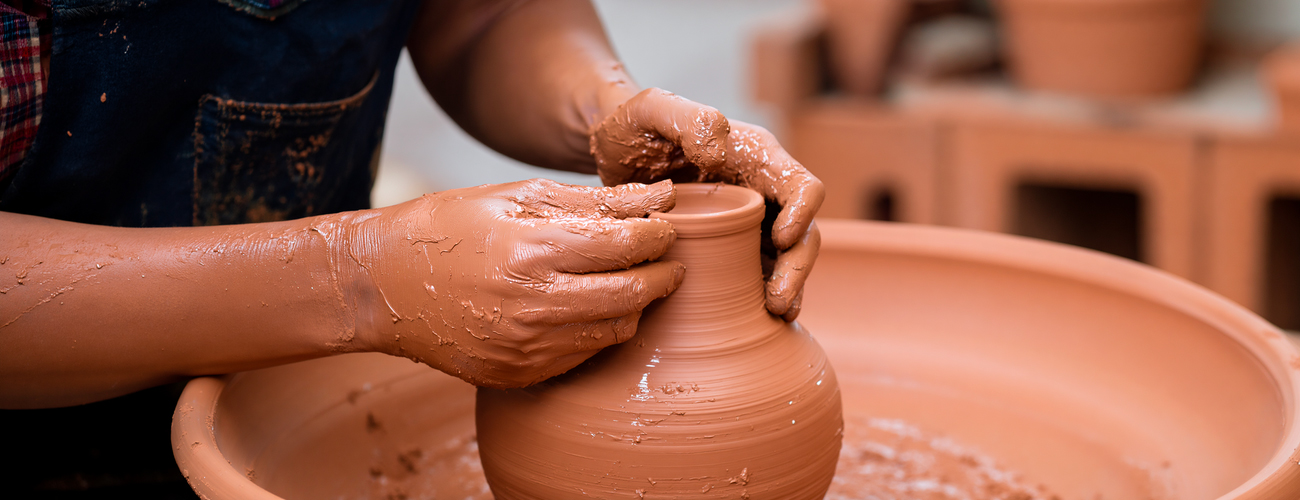
Terracotta Molding is one of the oldest and most enduring forms of craftsmanship, transforming natural clay into decorative and functional works of art. Known for its warm earthy tones and handcrafted character, terracotta has been used for centuries in architecture, sculpture, pottery, and home décor across many cultures.
The History of Terracotta Craft
The term “terracotta” comes from the Italian phrase meaning “baked earth.” Archaeological discoveries reveal that terracotta objects have been created for thousands of years, serving both practical and artistic purposes.
From ancient temples and sculptures to everyday pottery and decorative ornaments, terracotta has played a significant role in preserving cultural traditions and artistic expression throughout history.
The Terracotta Molding Process
1. Clay Preparation
Natural clay is collected, cleaned, and mixed with water to achieve the desired consistency for molding.
2. Design and Shaping
Artisans shape the clay by hand or use molds to create intricate forms, patterns, and structures.
3. Detailing
Decorative elements such as carvings, textures, and ornamental designs are added while the clay remains soft.
4. Drying
The molded pieces are left to dry naturally, allowing excess moisture to evaporate and preventing cracks during firing.
5. Firing
The dried items are baked in a kiln at high temperatures, transforming the clay into durable terracotta with its characteristic reddish-brown appearance.
6. Finishing
Finished pieces may be polished, painted, glazed, or left in their natural form depending on the intended aesthetic.
Distinctive Features of Terracotta Molding
- Natural Material: Crafted from earth-derived clay.
- Handmade Character: Each piece carries unique textures and details.
- Versatility: Suitable for both decorative and functional applications.
- Timeless Appeal: Complements traditional and contemporary spaces alike.
- Eco-Friendly Craftsmanship: Often produced using sustainable materials and traditional methods.
Modern Applications
Today, terracotta molding is commonly used in:
- Decorative Sculptures
- Garden Planters
- Architectural Elements
- Wall Art and Murals
- Tabletop Décor
- Religious and Cultural Artifacts
- Home Accessories
Its natural beauty and handcrafted appeal continue to attract designers, collectors, and homeowners around the world.
Cultural Significance
Many artisan communities have preserved terracotta traditions for generations, passing down techniques and artistic styles that reflect local culture, history, and craftsmanship. These creations often serve as symbols of heritage and community identity.
Caring for Terracotta Products
To maintain terracotta items:
- Keep indoor pieces away from excessive moisture.
- Clean gently using a soft cloth or brush.
- Handle carefully to prevent chipping.
- Apply protective coatings when appropriate for outdoor use.
Conclusion
Terracotta Molding is a remarkable craft that celebrates the transformation of natural clay into enduring works of art. Combining tradition, creativity, and skilled craftsmanship, terracotta continues to inspire appreciation for handmade artistry and cultural heritage.
Tags: Terracotta Molding, Clay Art, Handcrafted Décor, Traditional Crafts, Artisan Heritage, Pottery, Sustainable Art
